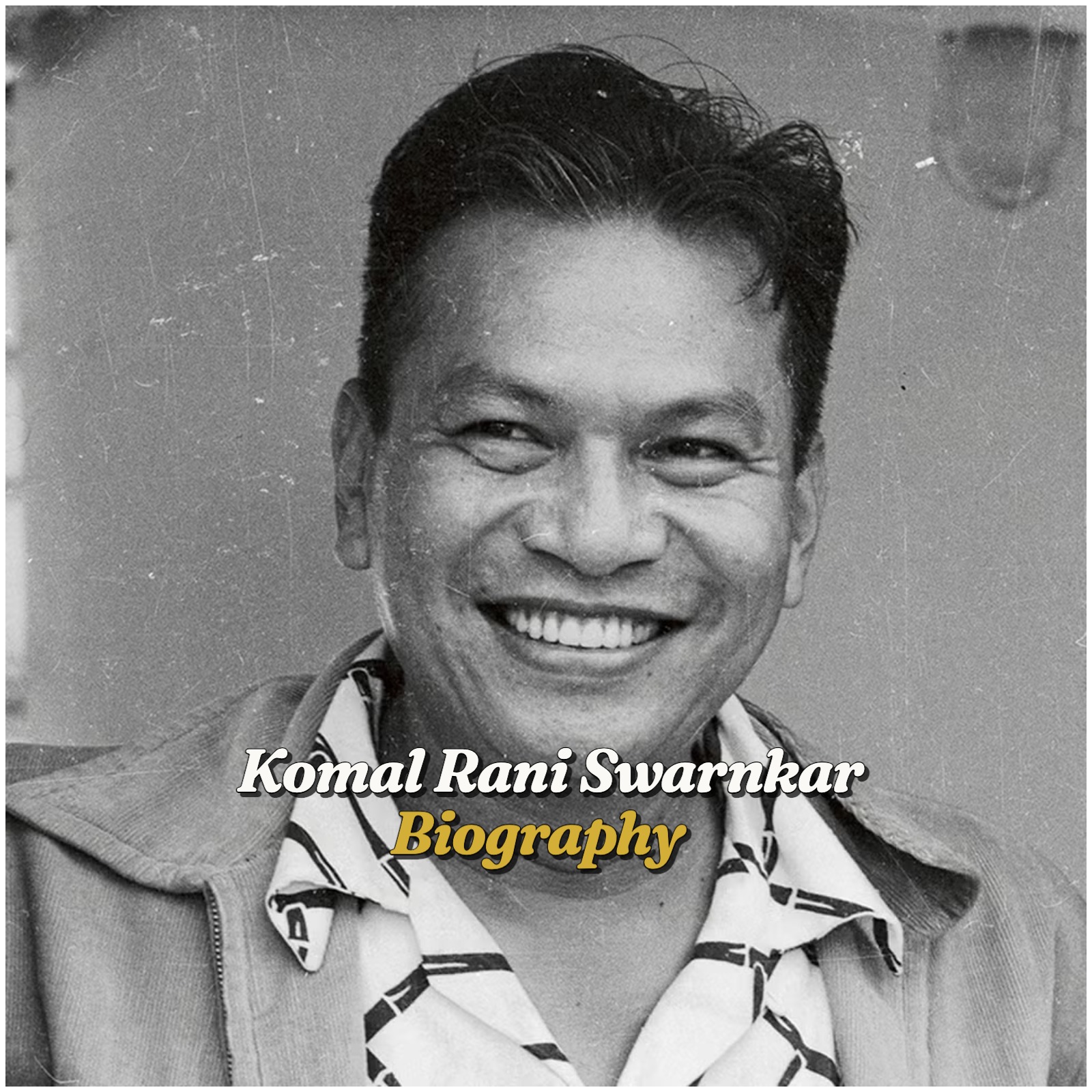
Ramon del Fierro Magsaysay was the seventh President of the Philippines and one of the country’s most prominent political figures of the 20th century. Born on August 31, 1907, in Iba, Zambales, he came from a modest family and initially built a career as a mechanic and transportation manager before entering public service. His rise from a working-class background to the presidency contributed strongly to his popular image as a leader who identified closely with ordinary Filipinos.
Before becoming president, Magsaysay gained recognition as a guerrilla commander during the Japanese occupation of the Philippines and later served as military governor of Zambales, congressman and Secretary of National Defense. As defense secretary, he became closely associated with the government’s campaign against the Hukbalahap insurgency. His approach combined military pressure with efforts to encourage rebel surrender and rehabilitation. He later won the 1953 presidential election and took office on December 30 of that year.
His presidency lasted only a little more than three years because he died in a plane crash on March 17, 1957. Despite the short duration of his administration, his government became associated with rural development, agrarian reform, anti-corruption measures, public accessibility and efforts to strengthen relations between government and ordinary citizens. He was 49 years old when he died, and the circumstances of his death turned him into an enduring figure in Philippine political history. The National Historical Commission of the Philippines continues to identify him as the “Idolo ng Masa,” or “Idol of the Masses.”
Ramon Magsaysay Profile Summary
| Category | Details |
|---|---|
| Full Name | Ramon del Fierro Magsaysay Sr. |
| Born | August 31, 1907 |
| Birthplace | Iba, Zambales, Philippines |
| Died | March 17, 1957 |
| Age at Death | 49 years |
| Nationality | Filipino |
| Religion | Roman Catholic |
| Profession | Politician, Military Leader and Public Servant |
| Political Office | Seventh President of the Philippines |
| Presidential Term | December 30, 1953 to March 17, 1957 |
| Father | Exequiel Magsaysay |
| Mother | Perfecta del Fierro |
| Wife | Luz Banzon |
| Marriage | June 10, 1933 |
| Children | Teresita, Milagros, Ramon Jr., and Angel, who died in infancy |
| Education | José Rizal College; studied engineering at the University of the Philippines |
| Earlier Occupation | Bus mechanic and transportation manager |
| Major Wartime Role | Guerrilla leader in Zambales |
| Major Cabinet Position | Secretary of National Defense |
| Famous For | Presidency, Huk campaign, agrarian reform, public accessibility and anti-corruption efforts |
| Nickname | “The Guy” and “Idolo ng Masa” |
| Height | Approximately 5 ft 11 in, as commonly reported |
| None | |
| Net Worth | No reliable historical figure available |
Ramon Magsaysay Early Life
Ramon del Fierro Magsaysay was born on August 31, 1907, in Iba, Zambales. His father, Exequiel Magsaysay, was a trade-school teacher, while his mother, Perfecta del Fierro, was a homemaker. His upbringing was relatively modest, and his early life was far removed from the political prominence he would eventually achieve. The National Historical Commission of the Philippines identifies Iba as his birthplace and maintains a historical marker commemorating his life there.
Magsaysay grew up during a period when the Philippines was still under American colonial rule. His early experiences in Zambales exposed him to provincial life and to the economic challenges faced by ordinary Filipino families. Those experiences later became part of the public image he cultivated as a politician who understood the concerns of workers, farmers and rural communities.
Before entering politics, he developed practical mechanical and transportation skills. Rather than coming directly from an established political family, he spent part of his early professional life working with machinery and buses. His experience as a mechanic and later as a transportation manager became an important part of the biography that distinguished him from many traditional political figures of his era. The Philippine government’s historical account records that he worked as a bus mechanic for the Try-Tran Company and eventually became its manager.
Ramon Magsaysay Education
Magsaysay received his elementary education in Castillejos, Zambales, and later attended Zambales Academy in San Narciso for his secondary education. After finishing secondary school, he initially pursued engineering at the University of the Philippines. His studies, however, were interrupted by illness and financial circumstances.
He eventually transferred to José Rizal College, where he completed a Bachelor of Science in Commerce in 1932. The National Historical Commission of the Philippines confirms that he earned his BSc from José Rizal College, which was then located in Mandaluyong. The institution later became José Rizal University.
His education in commerce complemented the practical experience he gained in transportation. After graduation, he joined the Try-Tran transportation company, initially working as a mechanic before rising to become a manager. His combination of technical experience, business knowledge and later military service helped shape the professional background that preceded his political career.
Ramon Magsaysay Career
Ramon Magsaysay’s Early Working Life
After completing his commerce degree in 1932, Magsaysay worked for Try-Tran, a transportation company operating buses in the Philippines. He began as a mechanic and eventually became a manager. His experience in the transportation sector gave him practical knowledge of machinery, management and the everyday working conditions of ordinary employees.
His background as a mechanic became an important part of his later political identity. Rather than presenting himself primarily as an elite intellectual or member of an established political dynasty, he emphasized his experience as a working professional who had risen through practical employment and public service.
His marriage to Luz Banzon in 1933 also took place during this period. The couple would eventually establish a family that remained connected to Philippine public life for generations.
Ramon Magsaysay During World War II
The Japanese invasion of the Philippines in 1941 transformed Magsaysay’s career. He initially served with the 31st Infantry Division Motor Pool. As the Japanese occupation progressed and conventional Filipino-American forces were defeated, he joined the resistance movement in Zambales.
Magsaysay became involved with the Western Luzon Guerrilla Forces and eventually served as overall commander of the Zambales Military District. His guerrilla organization operated against Japanese forces during the occupation. His wartime leadership established the military reputation that later helped him enter national politics.
During the liberation of the Philippines, Magsaysay worked alongside returning American forces. In February 1945, he was appointed military governor of Zambales, and later that year General Douglas MacArthur promoted him to major. The experience gave him direct contact with military administration and strengthened his public reputation in his home province.
Ramon Magsaysay as Congressman
After the war, Magsaysay entered electoral politics. He won election as representative of Zambales in 1946 and served in Congress. He was subsequently elected again, giving him experience in national legislation and public administration.
As a congressman, he became associated with veterans’ concerns. He worked to secure assistance for Filipino veterans of World War II, including support connected with veterans’ pensions and medical facilities. His wartime record and advocacy for veterans helped establish his reputation before his appointment to the national cabinet.
His congressional career also brought him into closer contact with the country’s political leadership. By the beginning of the 1950s, he had developed enough national recognition to become a candidate for one of the most important cabinet positions in the country.
Ramon Magsaysay as Secretary of National Defense
In 1950, President Elpidio Quirino appointed Magsaysay Secretary of National Defense. At the time, the Philippine government was dealing with the Hukbalahap insurgency, a communist-led rebellion with roots in the wartime resistance movement and longstanding rural and political grievances.
Magsaysay became the public face of the government’s campaign against the Huks. His approach emphasized military operations but also encouraged surrender, rehabilitation and reintegration. He sought to improve the conduct of government forces toward civilians and used his personal reputation to encourage insurgents to abandon the rebellion.
His tenure contributed to the eventual weakening of the Huk movement. Luis Taruc, one of the rebellion’s best-known leaders, eventually surrendered in 1954. Magsaysay’s role in the campaign became one of the main reasons he gained national popularity before the 1953 presidential election. The National Historical Commission specifically credits him with helping suppress the Hukbalahap movement.
Ramon Magsaysay’s 1953 Presidential Campaign
Magsaysay eventually broke with President Quirino and became the presidential candidate of the Nacionalista Party in the 1953 election. His campaign emphasized government reform and a closer relationship between the political leadership and ordinary citizens.
He defeated Quirino in the November 1953 election and became the seventh President of the Philippines. His victory represented a major transition from his earlier career in transportation, military service and congressional politics to the highest office in the country.
Magsaysay assumed office on December 30, 1953. His wife, Luz Banzon Magsaysay, became First Lady. She was known for a relatively simple public style and became involved in civic and humanitarian activities during her husband’s presidency.
Ramon Magsaysay’s Presidency
Magsaysay’s administration emphasized accessibility, government responsiveness and rural development. One of the most visible examples was the Presidential Complaints and Action Committee, commonly known as PCAC. The mechanism allowed ordinary citizens to bring complaints about government services and officials directly to the presidential administration.
The administration also pursued measures intended to improve agriculture and address rural poverty. These included laws concerning agricultural tenancy, resettlement and land redistribution. The National Commission for Culture and the Arts identifies the Land Reform Act of 1955 as one of the important agricultural measures of his administration.
Magsaysay also established the National Resettlement and Rehabilitation Administration through Republic Act No. 1160. NARRA was intended to facilitate the distribution of public agricultural lands and the resettlement of landless tenants and farm workers. The law specifically stated that its purpose included improving production, employment and living standards.
Ramon Magsaysay and Agrarian Reform
Agrarian reform was one of the major areas of Magsaysay’s administration. The government sought to address longstanding tensions between landowners and tenant farmers, particularly in agricultural regions affected by poverty and political unrest.
Republic Act No. 1199, the Agricultural Tenancy Act of 1954, established rules governing relationships between landowners and tenant farmers and provided greater security of tenure. Republic Act No. 1160 created NARRA, while Republic Act No. 1400, the Land Reform Act of 1955, created the Land Tenure Administration.
These programs were also connected to the government’s broader attempt to reduce the rural conditions that had contributed to the Huk rebellion. The administration viewed land access, agricultural productivity and rural development as important elements of political and economic stability.
Ramon Magsaysay and Government Accessibility
One of the defining features of Magsaysay’s presidency was his effort to make the presidency more accessible to ordinary Filipinos. His administration encouraged citizens to bring complaints directly to government institutions, and his public image emphasized contact with people outside traditional political circles.
This approach helped produce his enduring nickname, “The Guy,” while the National Historical Commission describes him as “Idolo ng Masa,” or “Idol of the Masses.” The nickname reflected the way his public image was constructed around simplicity, accessibility and closeness to ordinary citizens.
His administration also established institutions and programs beyond agrarian reform. The NHCP records the creation of organizations including the President’s Action Committee, NARRA, the National Marketing Corporation and the Land Tenure Administration during his administration.
Ramon Magsaysay and Foreign Relations
Magsaysay’s administration maintained strong relations with the United States during the Cold War. His wartime experience and anti-Huk campaign placed the Philippines firmly within the broader American-aligned effort to contain communist movements in Asia.
His government also continued to emphasize the rights and welfare of Filipino veterans. His earlier advocacy for veterans remained part of his public record after he became president.
At the same time, his administration focused on domestic development, particularly agriculture, rural settlement and government services. These domestic programs formed an important part of the political identity associated with his presidency.
Ramon Magsaysay Trending: Why Is Ramon Magsaysay Famous?
Ramon Magsaysay remains one of the best-known presidents in Philippine history because his rise from a mechanic and wartime guerrilla commander to the presidency created a distinctive political biography. He became particularly associated with ordinary Filipinos, rural development and an accessible style of government.
His administration is also remembered for major programs in agrarian reform and rural resettlement. NARRA, the Land Tenure Administration and other agricultural initiatives created during his presidency became important parts of the country’s postwar development history.
His sudden death at the age of 49 also contributed to his lasting place in Philippine public memory. He died while still serving as president, leaving his administration unfinished. A national period of mourning was declared following his death, and official statements at the time described the loss as a major national tragedy.
Ramon Magsaysay Personal Life
Ramon Magsaysay married Luz Banzon on June 10, 1933. Luz was from Balanga, Bataan, and the couple remained married until his death in 1957. She later became one of the country’s notable First Ladies and continued humanitarian and civic work after being widowed.
The couple had four children: Teresita, Milagros, Ramon B. Magsaysay Jr., and Angel. Angel died in infancy, leaving three surviving children. Their son Ramon B. Magsaysay Jr. later entered Philippine politics and served as a senator.
Despite the demands of public office, Magsaysay was described by his family as devoted to his wife and children. His sudden death left Luz widowed at 41 and the couple’s surviving children without their father while they were still young. Luz never remarried and devoted much of her later life to her family and to preserving her husband’s memory.
Ramon Magsaysay Age, Religion, Nationality, Height and Physical Appearance
Ramon Magsaysay was born on August 31, 1907, and died on March 17, 1957, making him 49 years old at the time of his death. He was Filipino and was born in Iba, Zambales. He came from a Christian family and is generally identified as a Roman Catholic. His public life was strongly shaped by the predominantly Catholic cultural environment of the Philippines during his lifetime.
Magsaysay was known for his relatively simple appearance and practical manner. Historical photographs show him frequently dressed in formal suits for official functions and in military or work-related clothing during his earlier career. He is commonly listed as approximately 5 ft 11 in, or around 180 cm, although precise historical height records are not readily available.
His physical appearance was closely connected with the public image he developed. Rather than cultivating an aristocratic or highly ceremonial persona, he was frequently presented as a practical, approachable public servant. This contributed to the popular nickname “The Guy” and to his later description as “Idolo ng Masa.”
Ramon Magsaysay Death and Cause of Death
Ramon Magsaysay died on March 17, 1957, when the presidential aircraft carrying him crashed on Mount Manunggal in Balamban, Cebu. The aircraft was the presidential plane Mt. Pinatubo. Magsaysay was among 25 people killed in the disaster. Philippine government records identify the crash site as a national historical site connected with his death.
The crash occurred while Magsaysay was returning from a trip to Cebu. The aircraft struck Mount Manunggal during its flight back toward Manila. The president’s death was immediate, and the news produced widespread mourning across the Philippines.
On March 18, 1957, Acting President Carlos P. Garcia issued a proclamation declaring a national period of mourning. Government buildings and installations were ordered to fly their flags at half-mast from March 18 through April 17. The official proclamation described Magsaysay’s death as sudden and untimely and recognized his service to the Filipino people.
Magsaysay was buried at the Manila North Cemetery. His death ended one of the shortest presidential administrations in Philippine history and left Vice President Carlos P. Garcia to complete the remaining period of the presidential term.
Ramon Magsaysay Legacy
Ramon Magsaysay’s legacy is closely associated with his image as a president who sought to make government more responsive to ordinary Filipinos. His administration created mechanisms such as the President’s Action Committee and pursued programs intended to address rural poverty, land tenure and agricultural development. The NHCP continues to commemorate him as “Idolo ng Masa.”
His agrarian policies also remain an important part of his historical record. NARRA, the Land Tenure Administration and legislation concerning agricultural tenancy were among the major institutional measures associated with his presidency. These initiatives reflected the government’s attempt to address landlessness and rural instability in the postwar Philippines.
His wartime service and death in office further shaped the way later generations remembered him. He moved from mechanic and guerrilla commander to congressman, defense secretary and president, before dying suddenly at 49. His son Ramon Magsaysay Jr. later entered national politics, extending the family’s connection to Philippine public service.
Conclusion
Ramon Magsaysay remains an important figure in Philippine history because of the unusual path that took him from a modest upbringing and a career as a bus mechanic to wartime guerrilla leadership, Congress, the Department of National Defense and ultimately the presidency. His administration pursued agrarian reform, rural development, government accessibility and measures aimed at strengthening public trust, while his campaign against the Hukbalahap rebellion shaped his earlier national reputation. His presidency ended abruptly when he died in the Mount Manunggal plane crash on March 17, 1957, but the institutions, policies and public image associated with his administration continued to influence Philippine political memory long after his death.
Frequently Asked Questions About Ramon Magsaysay
Who was Ramon Magsaysay?
Ramon Magsaysay was the seventh President of the Philippines and served from December 30, 1953, until his death on March 17, 1957.
When was Ramon Magsaysay born?
Ramon Magsaysay was born on August 31, 1907, in Iba, Zambales, Philippines.
How old was Ramon Magsaysay when he died?
Ramon Magsaysay was 49 years old when he died on March 17, 1957.
Who was Ramon Magsaysay’s wife?
His wife was Luz Banzon Magsaysay, whom he married on June 10, 1933.
How many children did Ramon Magsaysay have?
Ramon and Luz Magsaysay had four children: Teresita, Milagros, Ramon Jr. and Angel. Angel died in infancy, leaving three surviving children.
Who was Ramon Magsaysay’s son?
His son was Ramon B. Magsaysay Jr., who later became a senator of the Philippines.
What did Ramon Magsaysay do before becoming president?
Before becoming president, he worked as a bus mechanic and transportation manager, served as a guerrilla commander during World War II, became military governor of Zambales, served as congressman and later became Secretary of National Defense.
What was Ramon Magsaysay’s education?
He initially studied engineering at the University of the Philippines before transferring to José Rizal College, where he completed a Bachelor of Science in Commerce in 1932.
Was Ramon Magsaysay a military officer?
He became a guerrilla leader during World War II and was later promoted to major by General Douglas MacArthur. He subsequently served as Secretary of National Defense.
What was Ramon Magsaysay famous for?
He was known for his wartime guerrilla leadership, role as Secretary of National Defense, campaign against the Hukbalahap rebellion, presidency, agrarian programs and reputation for accessibility to ordinary Filipinos.
What did Ramon Magsaysay do as Secretary of National Defense?
He led the Department of National Defense during the government’s campaign against the Hukbalahap insurgency and encouraged both military pressure and surrender and rehabilitation efforts.
What was the Hukbalahap rebellion?
The Hukbalahap movement was a communist-led insurgency in the Philippines that developed from the wartime resistance movement and continued after World War II. It became a major security and political challenge during Magsaysay’s period as defense secretary.
When did Ramon Magsaysay become president?
Ramon Magsaysay became President of the Philippines on December 30, 1953.
How long was Ramon Magsaysay president?
He served as president for a little over three years, from December 30, 1953, until his death on March 17, 1957.
What were Ramon Magsaysay’s major programs?
His administration pursued agrarian reform, agricultural development, rural resettlement, government responsiveness and programs aimed at improving the welfare of farmers and other rural communities.
What was NARRA?
NARRA, or the National Resettlement and Rehabilitation Administration, was established through Republic Act No. 1160 during Magsaysay’s presidency to support the distribution of public agricultural lands and resettlement of landless Filipinos.
What was the Land Reform Act of 1955?
Republic Act No. 1400, known as the Land Reform Act of 1955, created the Land Tenure Administration and formed part of Magsaysay’s agrarian reform program.
Why was Ramon Magsaysay called the “Idol of the Masses”?
The National Historical Commission of the Philippines identifies Magsaysay as “Idolo ng Masa,” reflecting the public image he developed as an accessible leader associated with ordinary Filipinos.
How did Ramon Magsaysay die?
He died in a presidential aircraft crash on Mount Manunggal in Cebu on March 17, 1957.
What plane was Ramon Magsaysay travelling in when he died?
He was travelling aboard the presidential aircraft Mt. Pinatubo when it crashed on Mount Manunggal, Cebu.
How many people died in the Ramon Magsaysay plane crash?
Ramon Magsaysay and 24 other people were killed in the crash, for a total of 25 fatalities.
Where is Ramon Magsaysay buried?
Ramon Magsaysay is buried at Manila North Cemetery in the Philippines.
What religion was Ramon Magsaysay?
Ramon Magsaysay was a Roman Catholic.
What was Ramon Magsaysay’s nationality?
He was Filipino.
How tall was Ramon Magsaysay?
He is commonly reported to have been approximately 5 ft 11 in, or around 180 cm tall, although a precise historical height record is not readily available.
What is Ramon Magsaysay remembered for?
He is remembered for his wartime service, leadership as defense secretary, presidency, agrarian and rural programs, accessibility to ordinary citizens and his sudden death in the 1957 plane crash.